BEST BLS CERTIFICATION ONLINE
Who Can Benefit from BLS Certification?
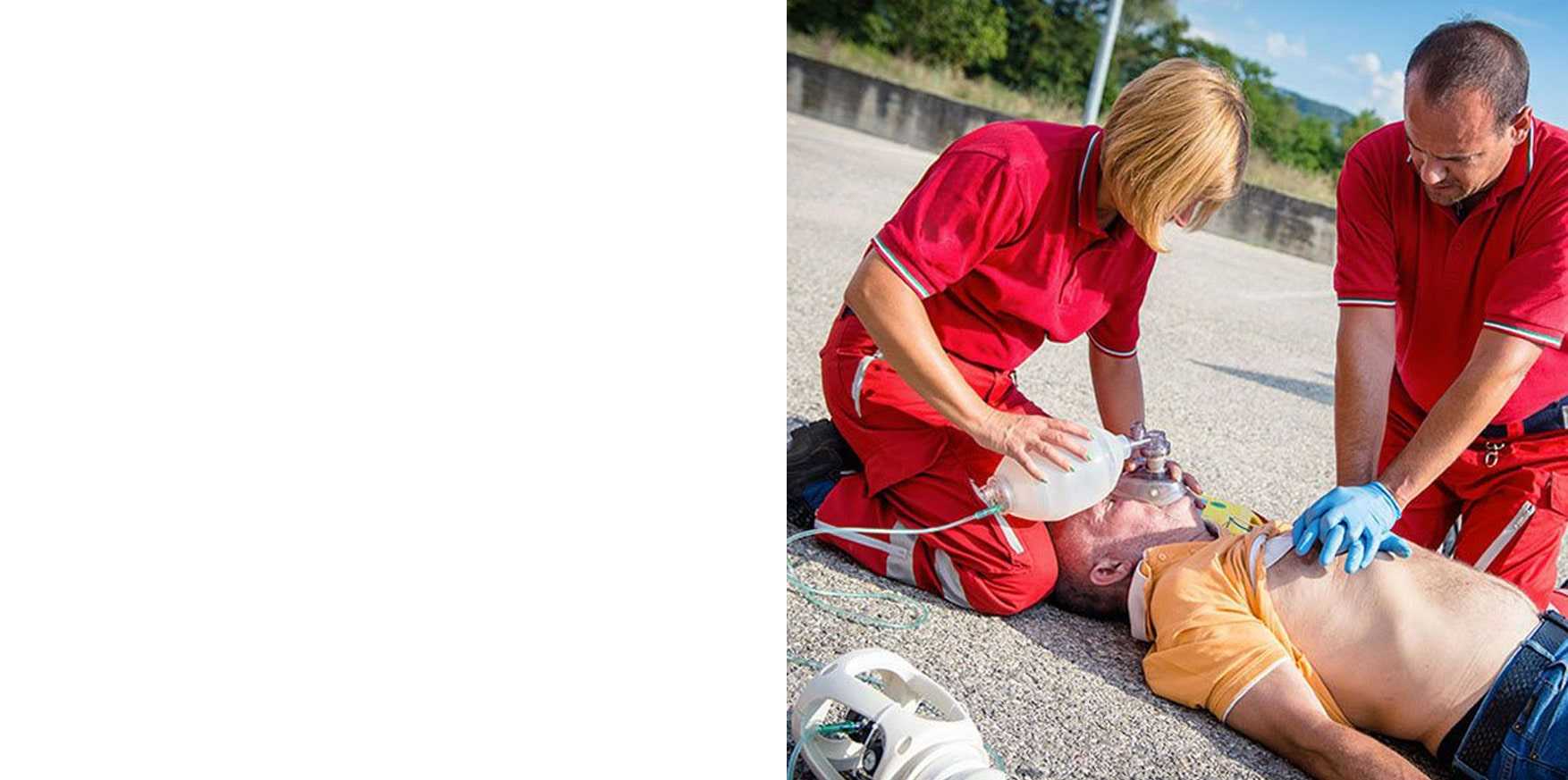
Online BLS certification offers healthcare providers and public-sector professionals an excellent opportunity to earn the necessary skills and credentials in Basic Life Support. While BLS certification is essential for medical professionals such as nurses, respiratory therapists, paramedics, dentists, and EMTs, healthcare providers also recommend it for public-sector workers like police officers, firefighters, childcare workers, physical therapists, and occupational therapists. Anyone with a high school education should take advantage of this valuable course, as it can help save lives in emergencies.
What Does the Basic Life Support Course Online Include?
The BLS certification course and training are essential to ensuring patient safety in an emergency. The course includes instruction on performing basic life support effectively, with an emphasis on competency, teamwork, and the details that ensure best practices are met in emergencies. It also familiarizes participants with the legal protocols associated with providing basic life support, such as Good Samaritan laws, which protect those who assist unknown parties to the best of their ability.
The Training Involves:
Anatomy and physiology of the circulatory system: BLS training requires understanding the anatomy and physiology of the circulatory system to perform it correctly. The circulatory system brings oxygenated blood to cells, organs, and muscles throughout the body. It consists of several components, such as the heart, arteries, veins, and blood vessels. Understanding pulmonary and systemic circulation is essential for BLS providers to recognize life-threatening arrhythmias and perform effective vital sign assessments.
Scene Safety: It is an essential first step when providing CPR or First Aid. It involves assessing the scene to identify and eliminate potential hazards that may prevent successful intervention. Such hazards include traffic, fallen electrical wires, hazardous gases, smoke, and fires. Therefore, a thorough scene evaluation is necessary to ensure it is safe before attempting to provide lifesaving care.
The Chain of Survival: The Chain of Survival is an invaluable set of steps to follow when resuscitating a patient in cardiac arrest. It maximizes the patient's chance of survival through the best possible care. It involves three stages: quality CPR by someone closest to the scene, early defibrillation by trained professionals, and advanced life support by healthcare providers. These steps are indispensable because they provide rapid, effective intervention that significantly improves survival outcomes.
Recognition of a Heart Attack and Cardiac Arrest: BLS training enables individuals to recognize the signs indicative of a sudden heart attack, cardiac arrest, stroke, etc. Recognition followed by proper execution of CPR and defibrillation with an AED can significantly affect the chances of survival. Studies have shown that for every minute delayed between the collapse and delivery of CPR plus defibrillation, the patient's chance of successful resuscitation decreases by 7-10%. However, when CPR and a shock from a defibrillator are delivered within 3-5 minutes of the collapse, the survival rate can be as high as 49-75%.
Personal Protective Equipment: This course is designed to provide healthcare professionals with the skills and knowledge to better protect themselves with Personal Protective Equipment (PPE) and patients through early recognition of deterioration. It focuses on equipping them to administer safe, effective resuscitation according to accepted clinical guidelines. This course will help individuals feel more confident using PPE, ensuring greater safety for both providers and recipients of care.
The CAB: According to the Highlights of Canadian Consensus Guidelines on First Aid and CPR, emergency lifesaving procedures should follow a C-A-B order: compressions before airway and Breathing. The guidelines suggest that starting chest compressions first, rather than rescue breaths, can reduce the time it takes to provide aid and deliver oxygenated blood to the body. Ensuring first responders know these guidelines could save lives in emergencies.
Mouth-to-Mouth Ventilations: Mouth-to-mouth breaths during CPR can be lifesaving when other options aren't available. This method is highly effective for delivering oxygen to the person's lungs while reducing risk to the rescuer.
Signs of Circulation (including pulse check): Lay rescuers have long been instructed to check for a pulse when they encounter a victim in cardiac arrest. However, new medical protocols no longer require lay rescuers to do this. Lay rescuers should begin chest compressions and attach an AED (automated external defibrillator) when they see no signs of circulation, such as normal breathing, coughing, or movement. Healthcare providers should continue to assess the pulse and signs of circulation prior to initiating chest compressions and the attachment of an AED when dealing with cardiac arrests.
Chest Compressions: This course teaches effective chest compressions during Cardiopulmonary Resuscitation (CPR), considering the patient's demographics. Compression depth and rate can vary depending on factors such as age, sex, or weight.
Compression-Only CPR (Adult): Providing compression-only or Hands-Only CPR proves to be beneficial in an emergency involving the cardiac arrest of an adult. With clear, straightforward instructions, untrained lay rescuers can respond quickly and effectively, with or without dispatcher help. Furthermore, hands-only CPR is enough to sustain an adult until further assistance with the use of an automated external defibrillator (AED) or other lifesaving techniques.
One-rescuer CPR (Adult, Child, Infant): One-rescuer CPR is an essential skill that lets an individual perform basic lifesaving interventions with minimal resources. Focusing on chest compressions, rather than external stimulation, can significantly improve survival chances and is easy to follow, even with little or no prior experience.
Two-Rescuer CPR (Adult): Two-rescuer CPR requires two people working together to provide basic life support with chest compressions and rescue breaths. This method has been proven to increase the chances of successful resuscitation because both rescuers take turns doing chest compressions, which helps prevent fatigue and maintain a steady rhythm.
Rescue Breathing: An essential medical procedure that can help save a victim's life in a life-threatening situation. Apply this breathing technique after initiating CPR; it provides oxygen directly to the lungs, supplying the brain with much-needed oxygen.
Choking (Adult, Child, Infant): Choking can be a concerning medical situation due to its potential for severe consequences. It is essential to know about the symptoms of choking in multiple age groups to effectively recognize and treat instances of choking. Basic treatment measures for conscious adult choking victims involve directed abdominal thrusts, such as the commonly known Heimlich maneuver – which can also be used for children and infants – to help dislodge the affected airway obstruction.
Use of an Automated External Defibrillator (AED): Knowing how an Automated External Defibrillator (AED) works, how to assess heart electrical output, and how to deliver shocks to a victim in need is a crucial skill for medical emergency personnel.
Bloodborne Pathogens: A Bloodborne Pathogens course is essential for anyone working in the medical field or any job with potential exposure to hazardous materials. Knowing how to protect yourself from potential infections and appropriately handle biological contaminants is a critical skill.
Why Choose SimpleCPR?
Our streamlined online BLS CPR certification process lets you complete training in just 60 minutes for a fraction of the price! Get the training you need quickly and hassle-free, from the comfort of your home. Sign up with SimpleCPR today and get certified sooner than ever!
Check other Courses:

 137 Questions





 Nationally Accepted. Including All Canadian Provinces